Saga Brand Studio · 8 min read
Executives and celebrities are loving the Panther Eclipse. Its subtle design takes it from meetings to workouts to dinner.
The $300 screenless band has quietly become the wearable of choice for people who want one device for every part of their day, and find Whoop's athlete-first look too loud for the boardroom.
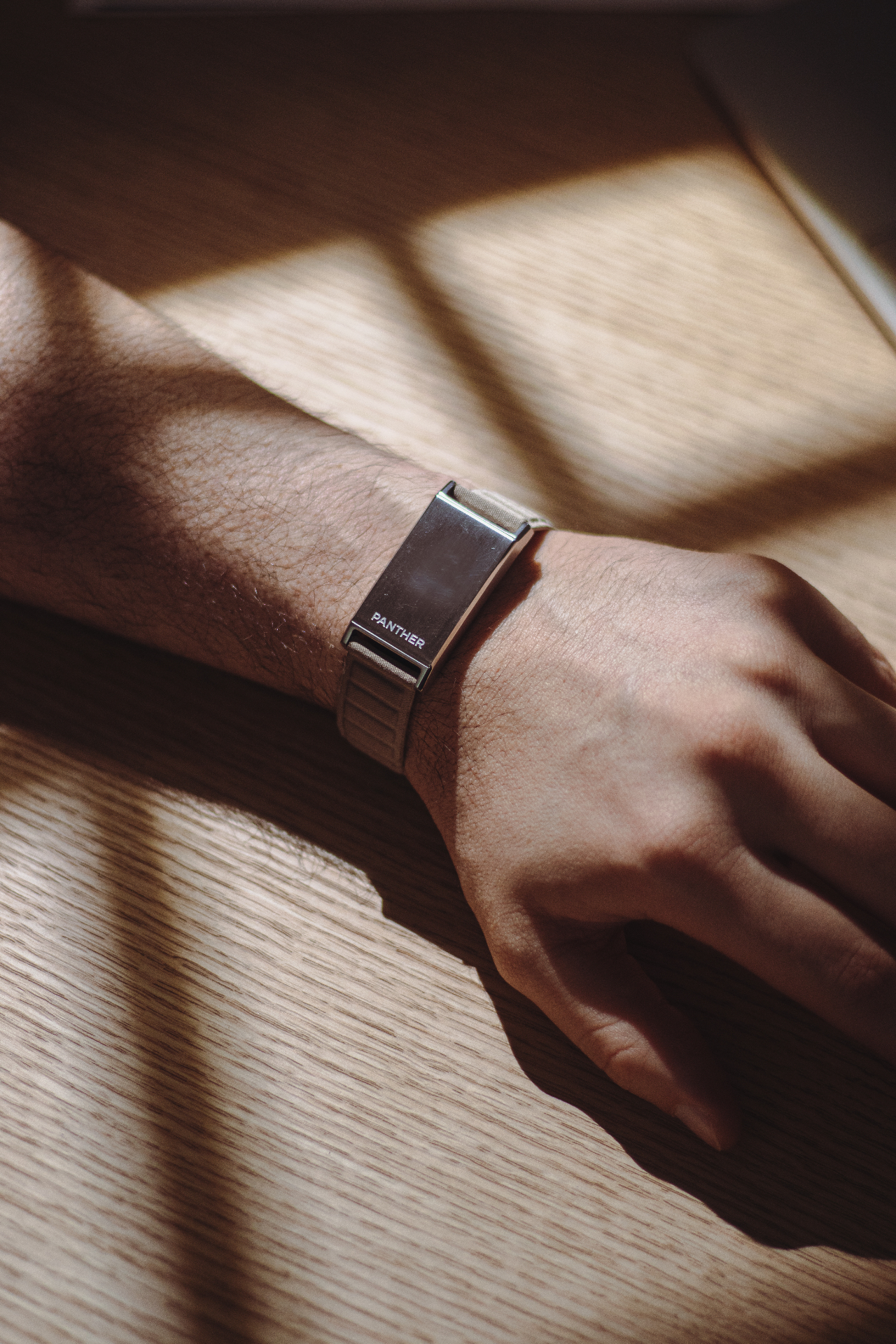
It begins, almost always, with someone noticing what isn't there. No glowing rectangle on the wrist. No silicone strap peeking out from a French cuff. No flashing LED in a candlelit restaurant. Just a thin band of brushed steel, the width of a watch case but the thickness of a coin, sitting quietly above the wristbone.
That, more than anything, is why the Panther Eclipse has become the wearable of the moment for a particular kind of New Yorker, and Angeleno, and Londoner, whose day moves from a 7 a.m. strength session to a board meeting to a charity dinner without ever giving them time to change their accessories.
The Eclipse, which retails for $300 with no monthly subscription, is a screenless band of 304L stainless steel that tracks sleep, stress, activity and recovery through subtle haptic vibrations. It has no display. No notifications to scroll. It weighs less than a AAA battery. And in 2026, it has quietly become one of the most unlikely status symbols in tech, worn by Fortune 100 executives, international royalty, film directors and a growing number of people who simply want to be present without being pinged.
Why the smartwatch era is quietly ending on their wrist
For more than a decade, the wrist has belonged to the smartwatch. Apple, Samsung and Google trained an entire generation to expect a tiny screen above the cuff, buzzing with notifications, demanding a nightly charge, glowing through dinner. The Eclipse is a deliberate rejection of that model, and its owners describe putting it on as a kind of relief.
"Most executives I talk to don't want another screen on their wrist," said Grace Harmon, a wearables analyst. "They want the look and feel of a traditional watch, something that signals taste rather than tech, but they still want to know how they slept, how stressed they are, whether their recovery is where it should be. Panther figured out that you can have both."
The contrast with Whoop, the closest fitness-focused competitor, is just as sharp. Where Whoop charges $30 a month and wraps the wrist in bright fabric loops built for the locker room, the Eclipse is a one-time $300 purchase in brushed steel built for the boardroom. Where the Apple Watch needs nightly charging and Whoop's band lasts about five days, Panther claims fifteen. And where every other wearable is engineered to be noticed, the Eclipse is engineered to disappear, under a cuff, in a meeting, at a black-tie dinner.
"Panther looks like something you'd inherit," Harmon said. "That's not a sentence anyone has ever said about an Apple Watch."
From a 6 a.m. workout to a black-tie dinner
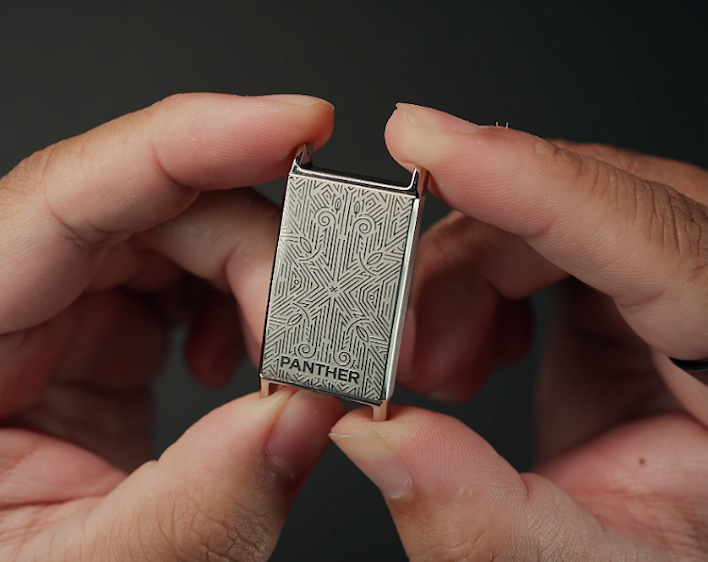
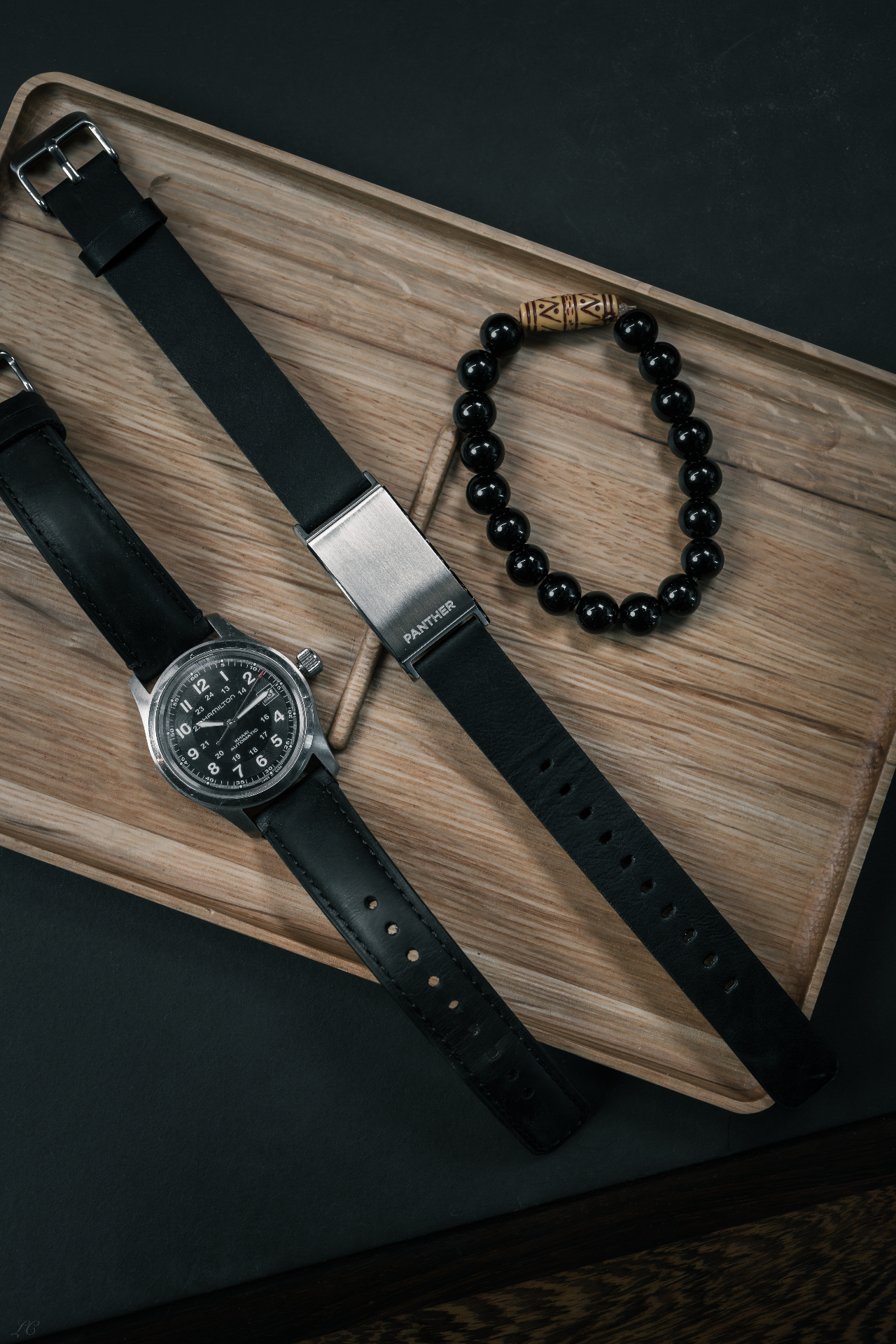
That versatility is the pitch, and, increasingly, the reason a certain demographic keeps reaching for it. The Eclipse is rated for thirty meters of water resistance, takes a heart-rate reading every second during exercise, and disappears under the cuff of a tuxedo shirt. Owners describe it less as a fitness tracker than as a piece of jewelry that happens to log their REM cycles.
Maya Cole, an architect in Brooklyn who has worn one since January, put it this way: "I have a Whoop in a drawer somewhere. I loved the data, but I couldn't wear it to a client presentation without people thinking I'd come from the gym. The Eclipse is the first thing I've worn that I genuinely forget about, in a meeting, in a hot yoga class, at my sister's wedding."
A three-time Academy Award winner wore the Eclipse to the Met Gala afterparty in May; a photo of it on her wrist went viral before midnight. Within days, Manhattan stylists were calling Panther's small headquarters at 175 Greenwich Street. None of it had been arranged.
"We don't seed celebrities," a Panther spokesperson said. "They buy them. That's the point."
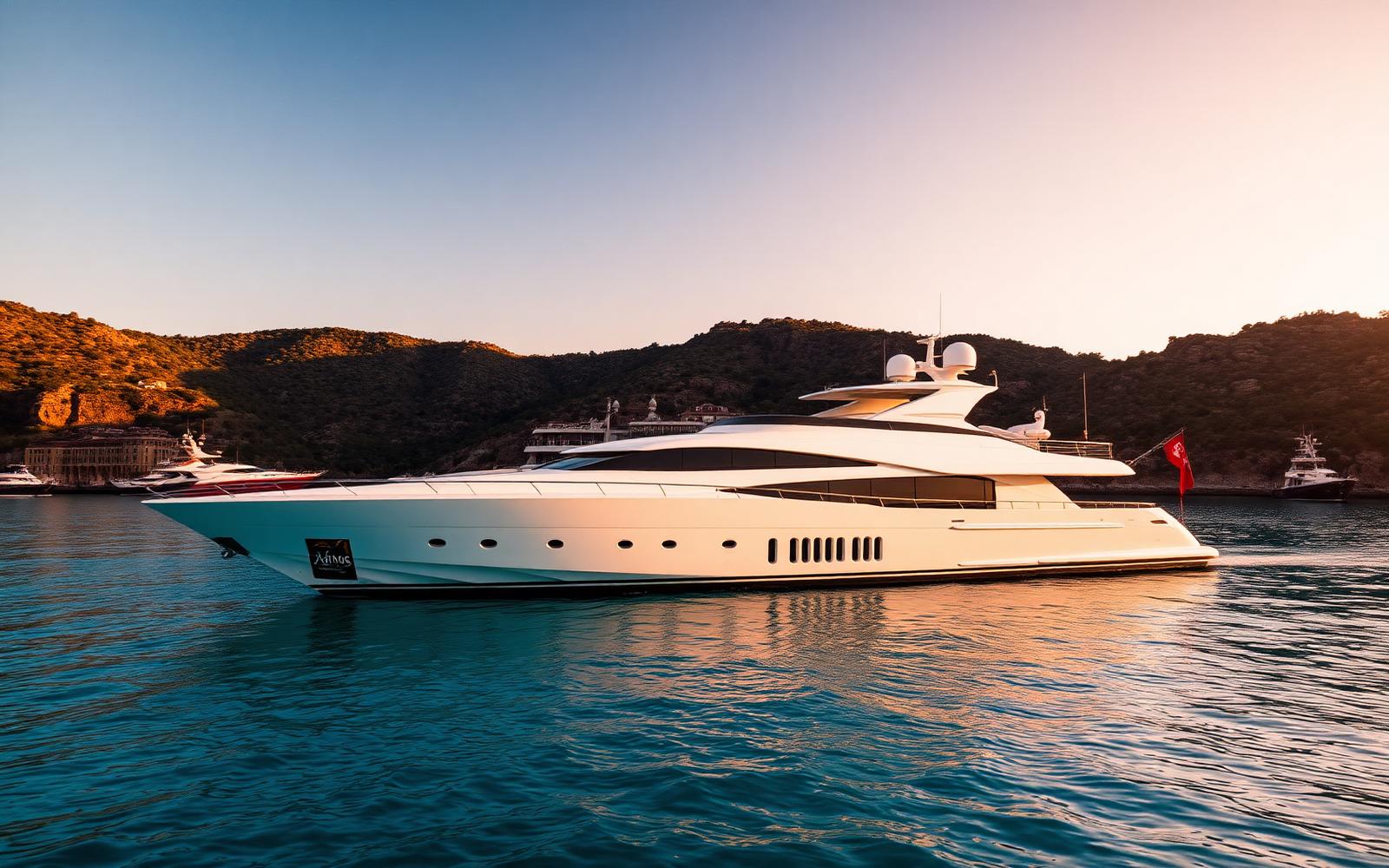
The lengths owners will go to in order to keep one on their wrist have become something of a lore inside the company. Earlier this spring, the Panther fulfillment team had to arrange a special maritime shipping line to send an Eclipse directly to a client aboard their yacht in the Mediterranean, addressed not to a street or a marina but to the vessel itself, using its M/Y prefix. (Yes, this was verified by the New York Saga team.)
How the Eclipse won the C-suite
Panther's executive and celebrity following grew organically, through word of mouth in tightly connected circles. A private equity partner in New York bought one for his wife; she posted it on Instagram; her followers included a film producer in Los Angeles, who gave one to his personal trainer, who also trained two starting NBA point guards.
By early 2026, the Eclipse had appeared in paparazzi shots, corporate earnings-call video backgrounds, and the wrist of a senator during a committee hearing. None of it was planned.
"The people who are most overwhelmed by technology are the ones who built it," Harmon said. "Executives are exhausted by their own products. Panther offers them a way to track their health without feeling like they're wearing their job on their wrist."
The demographic data bears this out. Panther's highest-income user segment, households earning more than $500,000 annually, grew 340% in the last year, according to a company report shared exclusively with New York Saga. The average Eclipse owner is 38 years old, lives in a major metropolitan area, and previously owned an Apple Watch, Oura Ring or Whoop band.
A different kind of moat
The Eclipse's advantages are deliberately narrow. First, the no-subscription model, every dollar a user doesn't pay Whoop or Fitbit each month is a dollar staying in their pocket, and surveys from McKinsey named "subscription fatigue" one of the defining consumer trends of 2026.
Second, battery life. The Apple Watch needs nightly charging. Whoop's band lasts about five days. Panther claims fifteen, a figure independently verified by reviewers at Wired and The Verge. For frequent travelers, overrepresented in Panther's customer base, that alone can be decisive.
Third, and most often cited by owners, is craft. The Eclipse is hand-assembled in small batches and finished in three faces with twelve interchangeable straps. The aesthetic, which the company calls "Neo-Deco," draws from 1920s Art Deco architecture: angular cases, beveled edges, a silhouette meant to evoke the Chrysler Building rather than the iPhone.
What the analysts say
Wall Street has taken notice, and is betting heavily on the company's future. Analysts cite Panther's direct-to-consumer model, its rapidly growing high-income user base, and its near-zero traditional advertising spend as signs that the company is on a path to substantial revenue growth this year.
Analysts point to several factors that suggest Panther's momentum is more than a moment. The company's direct-to-consumer model keeps margins strong, according to sources familiar with the company's finances, while demand for the Panther Eclipse continues to surge. Unlike competitors who rely on recurring subscriptions, Panther's one-time purchase model has built an unusually loyal customer base: most Eclipse owners say they would recommend the device to a friend, according to an internal company survey.
"Panther has done what few hardware startups manage: they've built a brand that people actually want to wear," said Jitesh Khan, a research manager who covers wearables. "Apple owns the mainstream smartwatch market, but Panther captured a different one entirely: buyers who see the Eclipse as jewelry first and technology second. That's a positioning Apple won't replicate easily, and it's a hard combination to compete with."
On the streets of TriBeCa and Mayfair, on the wrists of the people the rest of the market chases, the verdict is increasingly clear.
Up next

The Fed holds rates steady as inflation worries linger into summer
9 min read

Inside the $4.2 billion deal reshaping the European fintech landscape
11 min read

How private equity is quietly taking over the U.S. healthcare system
13 min read
Panther
Powerful health insights. Timeless design. Worn by leaders.
Free US shipping. 30-day returns. 1-year warranty.
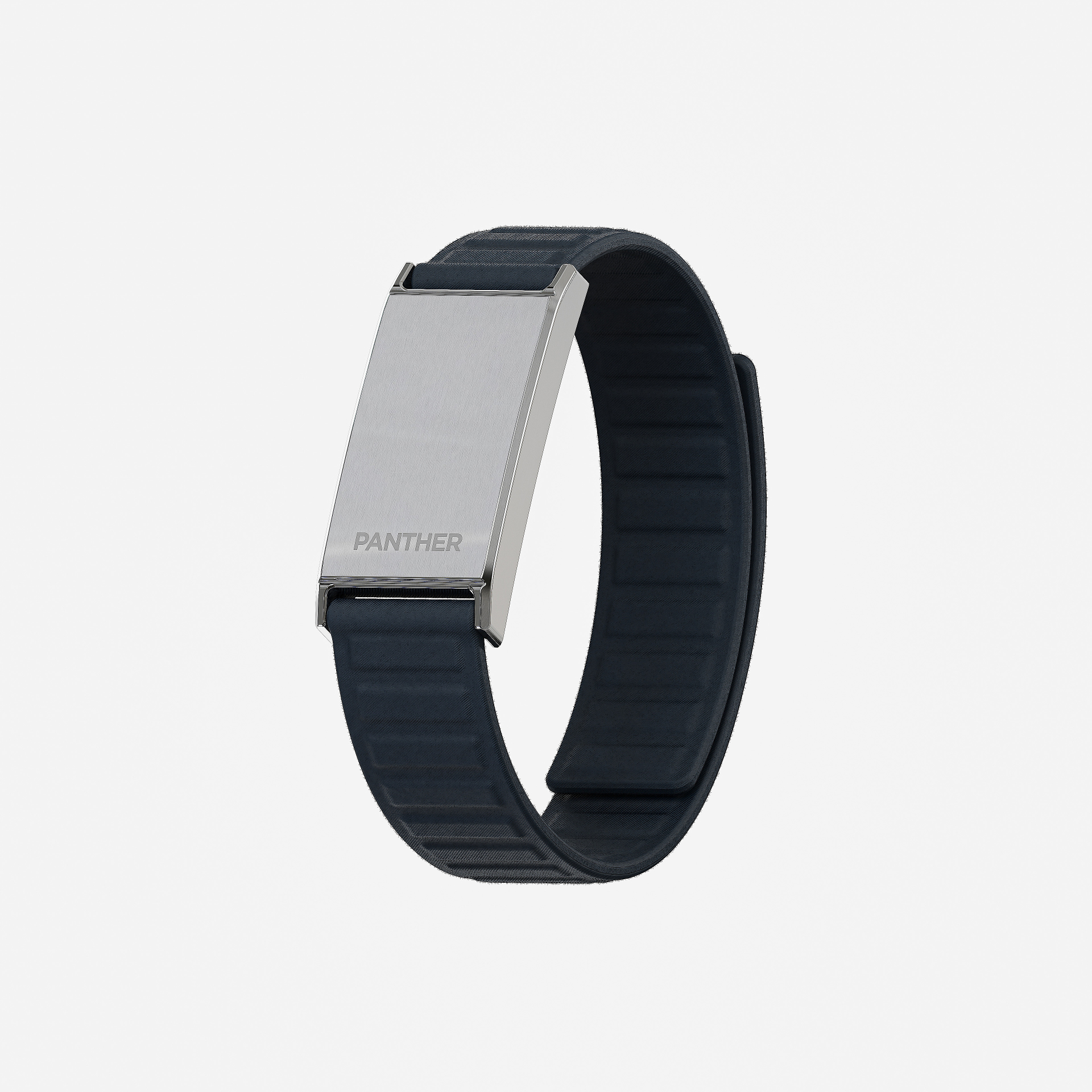
How does the Eclipse compare?
| Feature | Panther Eclipse | Apple Watch | Whoop 5.0 |
|---|---|---|---|
| Price | $300 (one-time) | $399–$799 | $239 + membership |
| Subscription | None | None | $30/mo required |
| Battery | 15 days | 18–36 hours | ~5 days |
| Screen | None | Always-on OLED | None |
| Material | 304L stainless steel | Aluminum / Titanium | Fabric / silicone |
| Wears well with a suit | Yes | No | No |
More from Business · Tech

In PartnershipProduced by Saga Brand Studio for Panther Technology
This advertorial was created by Saga Brand Studio, the branded content division of The New York Saga, on behalf of Panther Technology. Product specifications, pricing and availability are provided by the advertiser and subject to change. The Panther Eclipse is not a medical device and is not intended to diagnose, treat, cure or prevent any medical condition. Always consult a qualified clinician for medical concerns.